Tattoo Trends in Winnipeg for 2026: What Clients Are Asking For
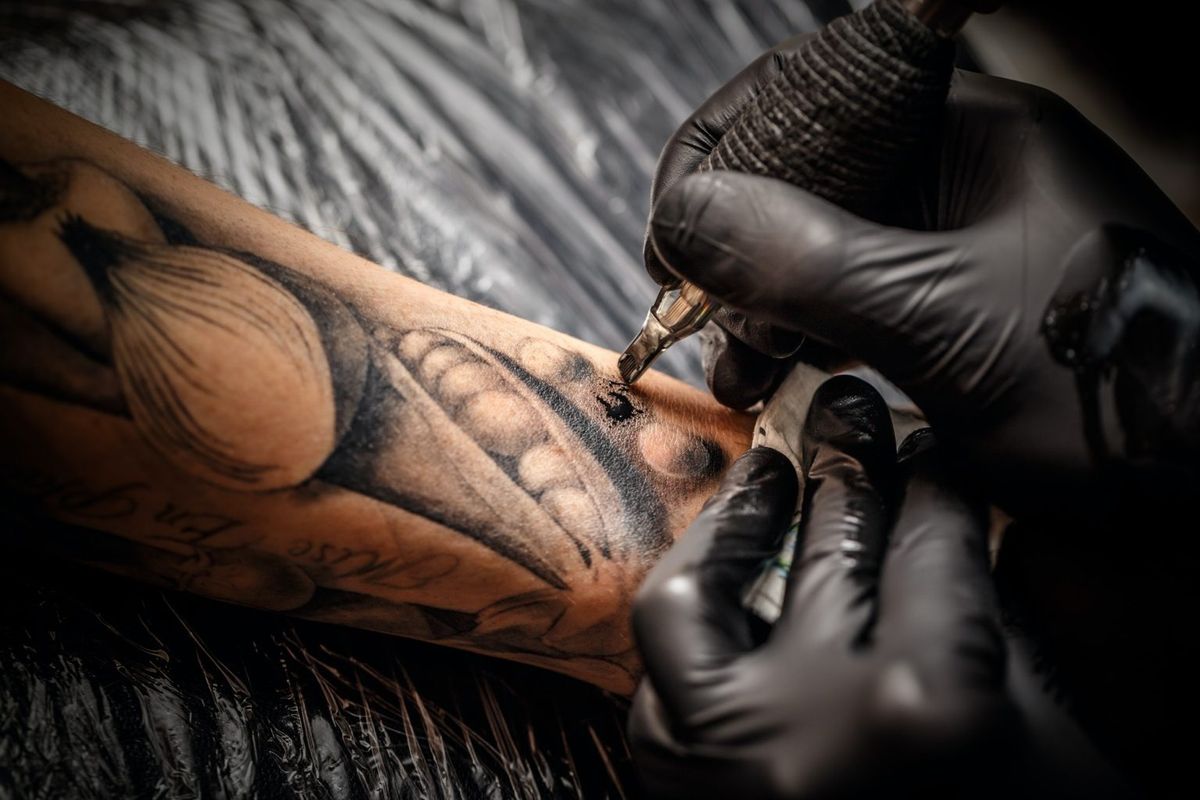
The biggest tattoo trends in Winnipeg for 2026 include hyper-detailed blackwork, botanical sleeves and large-scale floral compositions, black neo-traditional, micro-realism at smaller scales, hand poke work, and a resurgence of colour realism after years of black-and-grey dominance. At M.INK Tattooing, the team is seeing increased demand for large-scale blackwork, custom neo-traditional pieces, and fine line botanical arrangements trends that line up closely with the studio's artist specializations. These trends reflect a broader shift toward meaningful, timeless designs over one-off novelty pieces.
For foundational context before diving into trends, see our complete Winnipeg tattoo guide.
What Are the Biggest Tattoo Trends in Winnipeg for 2026?
2026's biggest shift isn't toward any single style, it's toward designs built to last. Clients are moving away from small, disconnected pieces toward larger, more cohesive compositions: full sleeves instead of scattered flash, dense blackwork scenes instead of single-line outlines, structured botanical arrangements instead of one small flower.
Winnipeg's arts community and long winters both play a role here. A city with a strong DIY and illustrative art scene tends to gravitate toward bold, graphic styles which shows up directly in the popularity of hyper-detailed blackwork and black neo-traditional. And with more of the year spent covered up than not, Winnipeg clients often lean toward placements and styles that read well both up close and from a distance, since a tattoo here gets fewer months of direct visibility than in warmer climates.
| Trend | Popularity (2026) | Longevity (Years) | Difficulty | Best For | M.INK Artist |
|---|---|---|---|---|---|
| Hyper-detailed blackwork | High | 10+ | Hard | Bold, graphic statement pieces | Mckala Farrell |
| Botanical sleeves | High | 8–10 | Medium–Hard | Large-scale, nature-themed concepts | Violet |
| Black neo-traditional | High | 10+ | Hard | Classic structure with modern depth | Mckala Farrell |
| Micro-realism | Medium | 5–8 | Hard | Small, personal, detail-driven pieces | Violet |
| Hand poke | Medium | 6–8 | Medium | Meditative, minimalist experience | Lex |
| Colour realism | Medium (rising) | 6–10 (maintenance-dependent) | Hard | Portrait and illustrative work | Lex |
| Fine line(medium-sized) | Medium | 6–8 | Medium | Detail work, script, small-to-mid pieces | Violet |
| Script/lettering | Medium | 8–10 | Easy–Medium | Meaningful text, quotes, names | Tayler |
M.INK's artists each lean into different corners of this list, which is part of why trend-matching happens during the artist-matching step of a consultation rather than being left to chance.
Why Is Hyper-Detailed Blackwork Trending in Winnipeg for 2026?
Hyper-detailed blackwork \dense illustrative scenes that read as bold, graphic silhouettes from a distance but reveal layers of texture and linework up close has become one of M.INK's most-requested styles. Part of the appeal is durability: solid black holds its shape and saturation for decades better than most colour work, which matters in a climate where skin sees intense sun in summer and dry, cold air for months at other times.
Mckala Farrell specializes in this style, particularly at large scale full backs, sleeves, and chest pieces where the composition needs to work as a whole rather than a collection of small elements. Because the technique relies on solid black fill and high-contrast negative space rather than fine detail that can blur over time, hyper-detailed blackwork tends to age exceptionally well, often looking nearly as crisp at year ten as it did at year one.
Why Are Botanical Sleeves Trending in 2026?
Botanical work has shifted from single small flowers to full-arm garden compositions, one of the clearest examples of the broader move toward large-scale, cohesive pieces. Instead of a single rose on the wrist, clients are asking for full sleeves that read as one continuous composition of florals, leaves, and structure.
The fine line vs. bold line question matters here for longevity: fine line botanicals look strikingly fresh but can soften and blur faster over a decade, especially in high-movement areas. Bold-lined botanical work with more substantial linework tends to hold its shape longer, even if it trades a bit of delicacy for durability. Violet leads much of M.INK's botanical work, often blending both approaches in fine detail within a bolder overall structure to balance visual delicacy with long-term hold.
For sleeve-length pieces, session planning matters see how long tattoo sessions take by size and style for realistic timeline expectations.
What Makes Black Neo-Traditional Winnipeg's Signature Style for 2026?
Black neo-traditional classic neo-traditional structure (bold outlines, dimensional shading) executed in black and grey rather than the style's traditional bright colour palette has become something close to a signature look at M.INK. It keeps the structured, illustrative composition neo-traditional is known for while trading colour for tonal depth, which reads as more versatile across placements and skin tones and ages with fewer maintenance demands than colour versions.
Mckala Farrell has built much of her large-scale portfolio around this approach, treating black neo-traditional less as a trend and more as a long-term style direction, the kind of piece clients plan sleeves and back work around rather than a single standalone tattoo.
Is Micro-Realism Worth It in 2026?
Micro-realism coin-sized portraits and small photorealistic objects has grown in popularity, particularly within Winnipeg's arts and photography communities, where clients want highly personal, detail-driven pieces without committing to a large-scale design.
The honest caveat: micro-realism demands exceptional artist skill, and not every design translates well at a small scale. Fine detail that reads clearly at 3 inches can lose definition entirely by year five or six as skin naturally softens linework over time so this is a style where matching with the right artist matters more than almost any other trend on this list. Violet's detail-oriented approach to fine line work carries over well to micro-realism, but even skilled execution has real limits on how small a design can go before longevity becomes a concern.
If you're considering micro-realism, this is exactly the kind of question worth raising during a consultation before committing to the final scale.
Why Is Hand Poke Gaining Mainstream Traction?
Hand poke machine-free tattooing done point by point rather than with a rotary or coil machine has moved from niche to increasingly mainstream, appealing to clients who want a slower, more intentional, meditative process over the buzz and speed of machine work.
It suits certain designs better than others: minimalist linework, small botanical or geometric pieces, and fine dotwork tend to translate well, while large-scale, densely saturated pieces are usually better served by machine work simply due to time and consistency. Lex handles much of M.INK's hand poke work, and clients drawn to this method often cite the experience itself, not just the result as part of the appeal.
Why Is Colour Realism Making a Comeback?
After several years of black-and-grey dominance, colour realism is trending back upward, helped along by improved pigment technology that holds saturation better and longer than older colour inks.
Winnipeg's climate is a real factor in colour longevity: intense summer sun and long stretches of dry winter air both accelerate fading if aftercare and sun protection aren't taken seriously. Colour realism generally demands more maintenance than black work: sunscreen on exposed placements, periodic touch-ups, and more attentive healing care. Lex specializes in this resurgence at M.INK, working with clients on both the design and the realistic maintenance conversation upfront. For full healing and long-term care guidance, see the tattoo aftercare guide.
What Tattoo Trends Are Losing Momentum in 2026?
A few trends are cooling off not because they look bad, but because time has shown their limits:
- Micro tattoos smaller than a thumbnail often blur into illegibility within a few years, especially in high-movement placements like wrists and fingers.
- Watercolour tattoos without structural linework, the soft, paint-splash aesthetic that was popular several years ago tend to fade unevenly since there's no bold outline to anchor the design as ink settles.
- Unmodified AI-generated designs images pulled directly from AI tools without an artist adapting them for skin, movement, and placement often don't translate well; what looks clean on a screen frequently doesn't hold up as a tattoo.
None of this means clients who got these styles made a mistake, trends and techniques both evolve, and any of these can still be done well with the right adaptation. M.INK's approach is to have that longevity conversation upfront during consultation, not after the fact.
How Do You Choose a Trend That Works for You Long Term?
Trends are fun to explore, but a tattoo outlasts any single year's trend cycle. A few questions worth asking before you commit:
- Will this style still look good in 5–10 years? Trends fade, but tattoos are permanent bold blackwork and structured neo-traditional generally age better than delicate, unstructured designs.
- Does this trend match your personal aesthetic, not just what's on social media? A design that feels authentic to you personally tends to age better emotionally than one chosen purely because it's popular right now.
- Can your artist execute this specific style well? Micro-realism and hyper-detailed blackwork both demand real specialization; not every artist delivers every trend equally.
- What's the maintenance commitment? Colour realism generally needs more upkeep, sunscreen, touch-ups than black and grey work.
- Does this trend work well in your preferred placement? Some styles hold up better on certain body areas than others; ask specifically about your placement.
- What's the realistic cost and session timeline? Large-scale trends like sleeves and full-back pieces require multiple sessions and real budget planning.
- Have you seen healed examples, not just fresh photos? Fresh ink always looks great, healed work shows you what the style actually looks like at rest.
Find the Trend That Fits You Not Just 2026
The best tattoos aren't chosen because they're popular, they're chosen because they'll still feel like you years from now. At M. INK, every consultation is built around your ideas, preferred placement, lifestyle, and long-term vision, so your design is created to last beyond today's trends. Fill out our consultation form and we'll match you with the artist whose style best fits your project.
M. INK Tattooing | 1681 Main St, Winnipeg, MB R2V 1Z1 | Tue–Sat: 12 PM – 6 PM | 431-481-1681 | minktattooingwpg.ca
Trend forecasts are based on current demand at M.INK Tattooing and industry observations. Tattoo trends evolve, and personal aesthetic should always outweigh trend popularity when choosing your design.
Frequently Asked Questions
Hyper-detailed blackwork and black neo-traditional are currently M.INK's most-requested styles, both valued for bold visual impact and strong long-term durability. Botanical sleeves are close behind, reflecting a broader shift toward large-scale, cohesive compositions over smaller standalone pieces.
Yes, fine line remains popular for detail work, script, and small-to-medium pieces, though clients are increasingly pairing fine detail with bolder structural linework for better longevity. M.INK's Violet specializes in this hybrid approach, balancing delicacy with durability.
Yes, hand poke has moved from niche to increasingly mainstream, particularly for minimalist linework and smaller pieces. Clients are often drawn to the slower, meditative process as much as the aesthetic. M.INK's Lex specializes in hand poke work for clients seeking this experience.
Both can coexist the trends that last longest (bold blackwork, structured neo-traditional) tend to also be the most timeless. M.INK's artists help clients choose designs that feel current now while being built to age well over a decade or more.
Bold blackwork, black neo-traditional, and well-structured botanical sleeves tend to hold their shape and saturation longest, since solid fill and strong outlines resist the natural softening of linework over time better than delicate, unstructured designs.